Successor
2020-2025 (Technical Game Designer)
Successor is available on Steam and Meta Quest.
At Playwood Project, I worked as a technical game designer on Successor, a roguelite strategic RPG expanding on the gameplay elements from the previous Wartile game from the same developer. As a small team, I was involved in every aspect of the game's development, from designing and implementing core game mechanics to creating user interfaces and developing procedural generation systems. Here are some highlights of my contributions:
Development Tools and Technologies
The main tools and technologies I used for creating Successor were:
- C++ and Blueprint: Created game logic using C++ for performance-critical systems and Blueprint for rapid prototyping and visualization of game mechanics.
- Widgets and UI with UMG: Developed user interfaces and widgets using Unreal Motion Graphics (UMG) to create intuitive and responsive interfaces.
- Unit AI with Behavior Trees: Implemented unit AI using behavior trees and sub-tasks to define intelligent decision-making processes for units.
- Materials, Niagara, and Other Tools: Utilized materials and Niagara for dynamic visual effects, lighting, and particle systems to enhance the game's visuals and atmosphere.
Gameplay Mechanics
One of my primary responsibilities was designing and implementing core gameplay mechanics to create an engaging and challenging experience for players. Some highlights of my contributions include:
- Battle Gameplay Architecture: Architected the battle gameplay system to ensure smooth and intuitive gameplay. This included designing the timing and order of actions, ensuring that the game felt responsive and fair to the players. I worked on implementing the core logic that governed the flow of battles, including turn-based mechanics and real-time elements, to create a balanced and engaging experience.
- Behavior Trees for AI Actions: Implemented behavior trees to define unit actions and decision-making processes. These behavior trees allowed units to make intelligent decisions based on the game state, such as choosing optimal targets, positioning, and using abilities effectively.
- Focus Moment System: Implemented a Focus Moment system where, whenever a unit fires an ability, everything else slows down, and only the targets of the ability speed up, creating a cascading effect that enhances the combat experience.
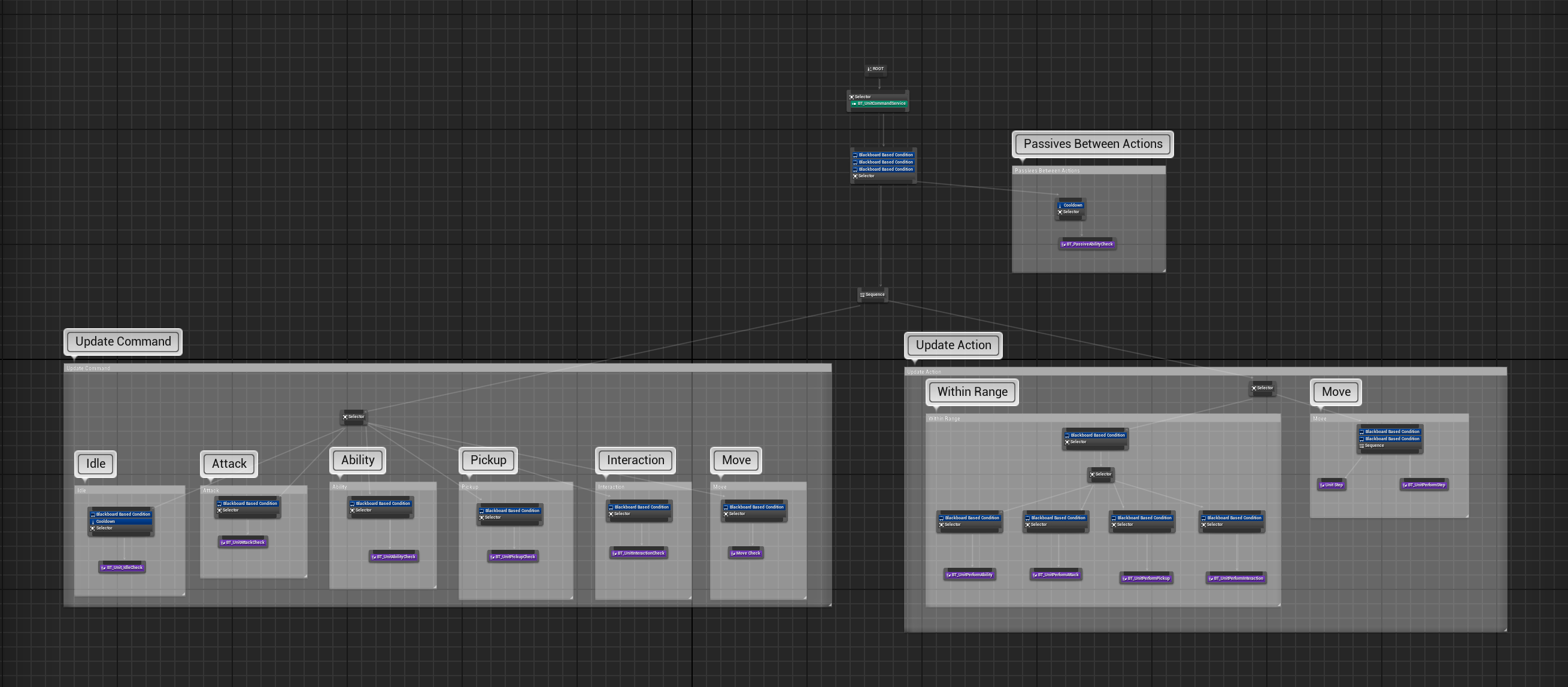
Implemented behavior trees to define unit actions and decision-making processes.
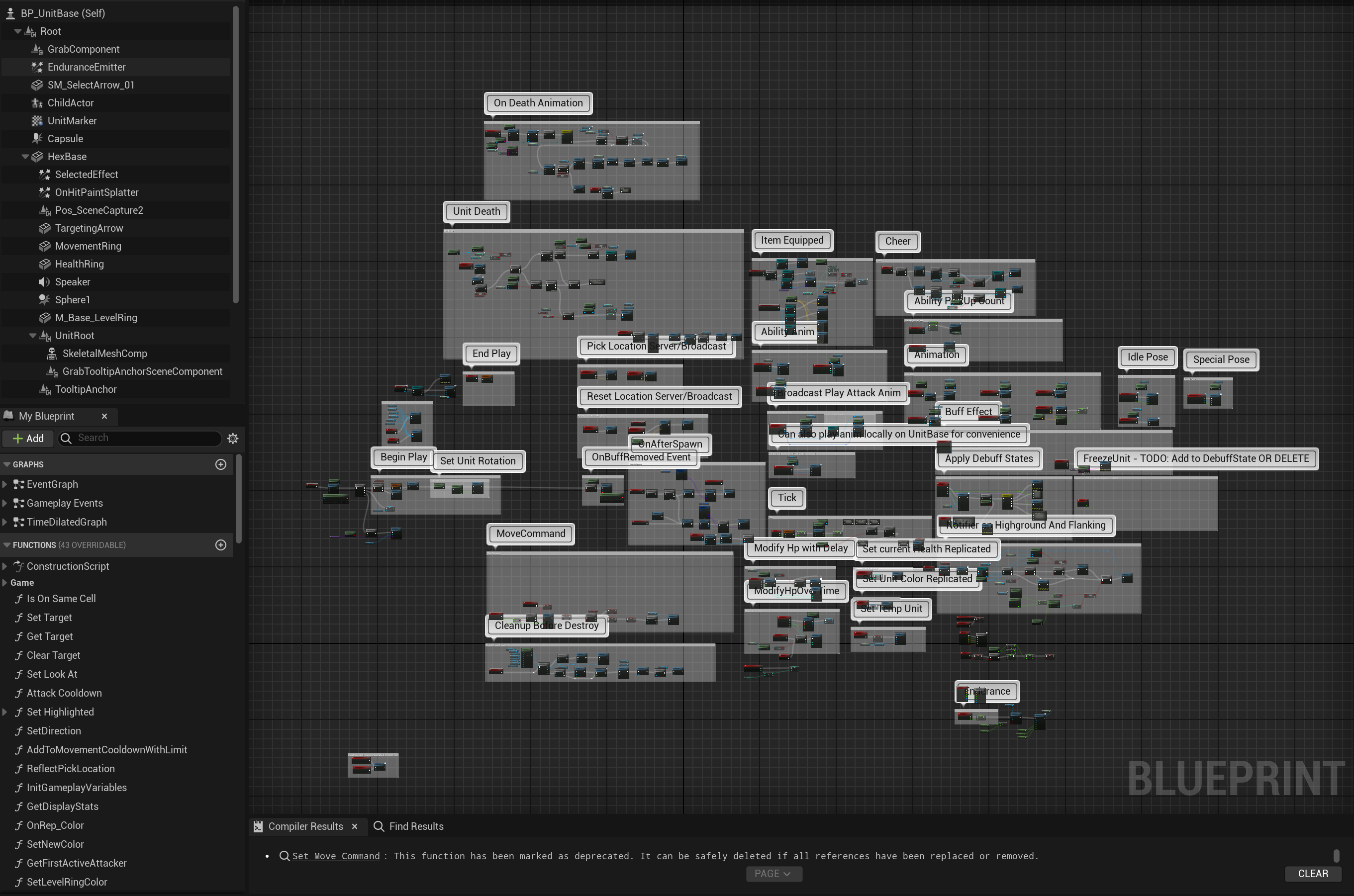
The Unit Blueprint inherited from Wartile, that slowly became a monolith of code.
Procedural Generation
I architected a procedural generation system to ensure the game remained engaging and replayable. Some highlights of my contributions include:
- Developed templates for how the world, regions, encounters, goals, battles, battle objectives, levels, unit spawns, site spawns, and consumable spawns would be created in a semi-strict way, allowing for procedural randomness.
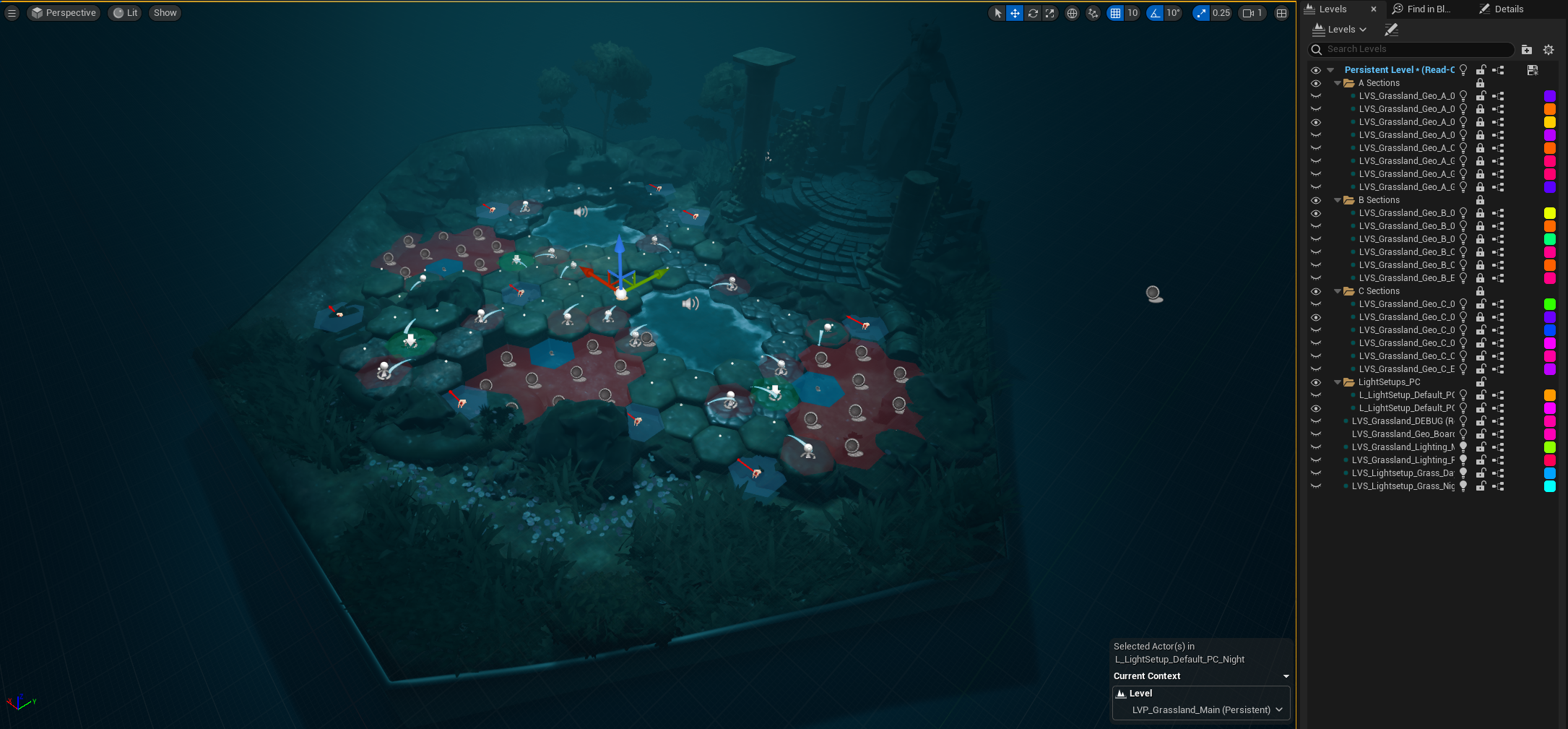
Architected a procedural system to generate diverse and engaging biomes.
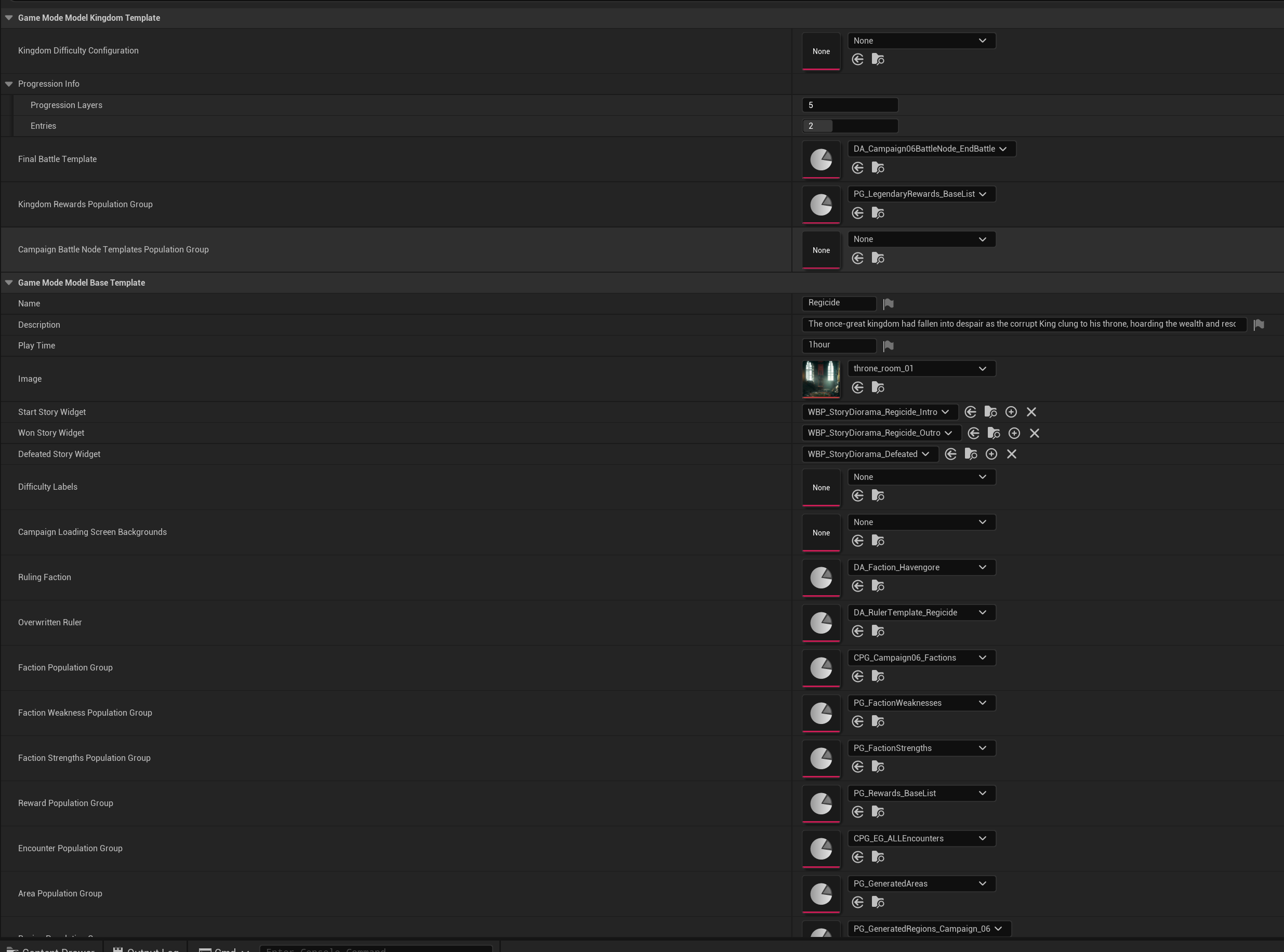
Designed templates for various game modes to ensure consistency and flexibility.
VR Integration
I recognized the great potential of Successor for VR and played a key role in the game's release on Meta Quest. Some highlights of my contributions include:
- Implemented features to ensure the game worked great on VR, taking into account the unique challenges and opportunities of VR gaming.
- Architected a game framework that could handle both PC and VR with a single codebase, ensuring a seamless experience across platforms.
User Interface and Visuals
In addition to gameplay mechanics and procedural generation, I was involved in designing and implementing user interfaces and visual elements. Some highlights of my contributions include:
- Designed a user interface as well as HUD that was intuitive and easy to use, with clear navigation and visual cues to guide users.
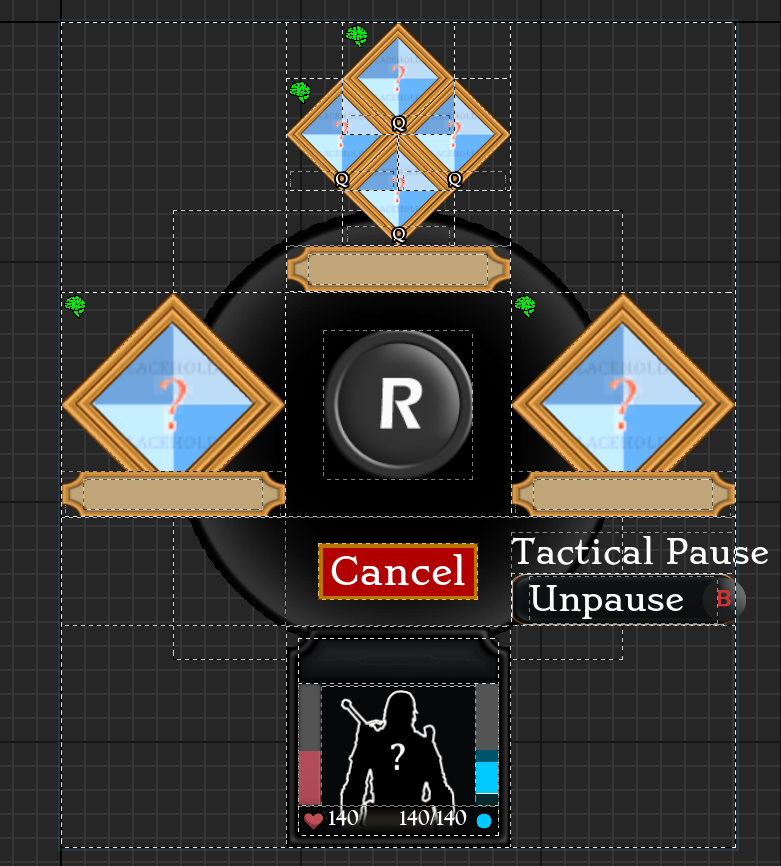
Designed a radial battle menu to enhance user interaction and provide quick access to abilities.
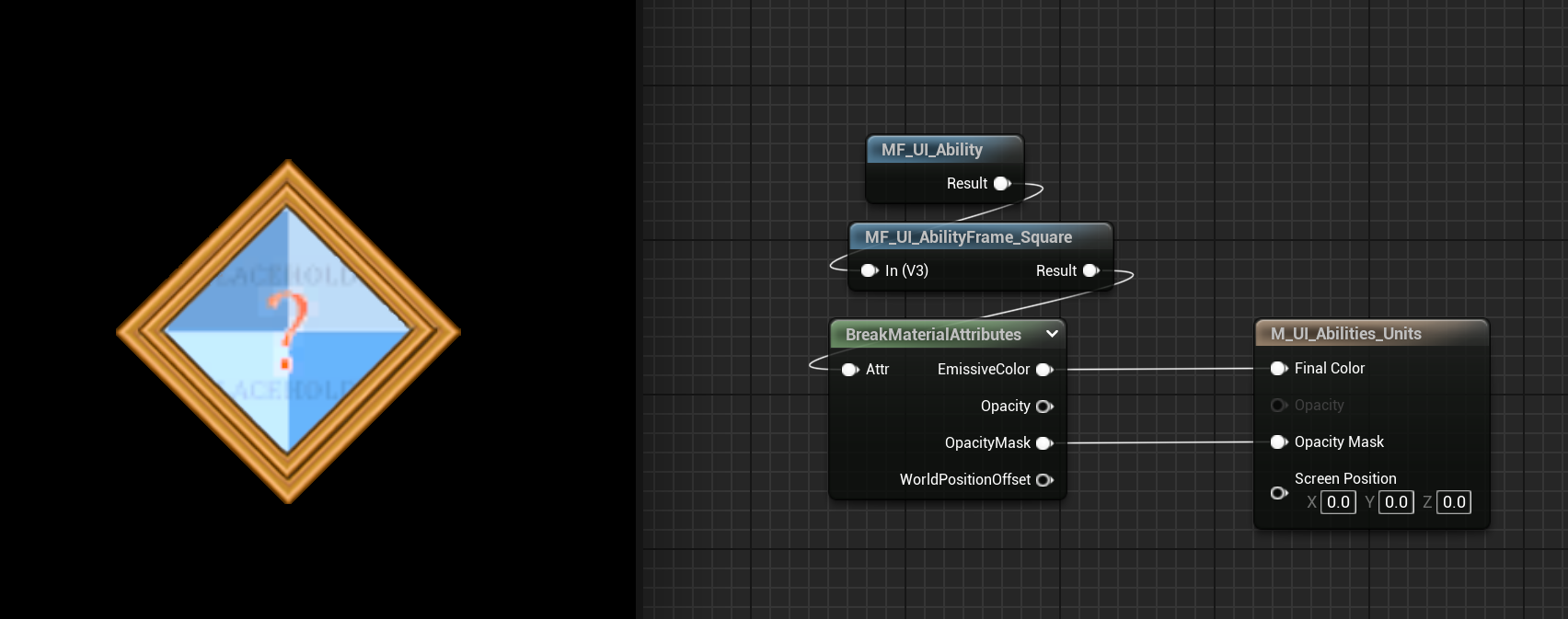
Implemented materials and shaders to create dynamic visual effects for unit abilities.
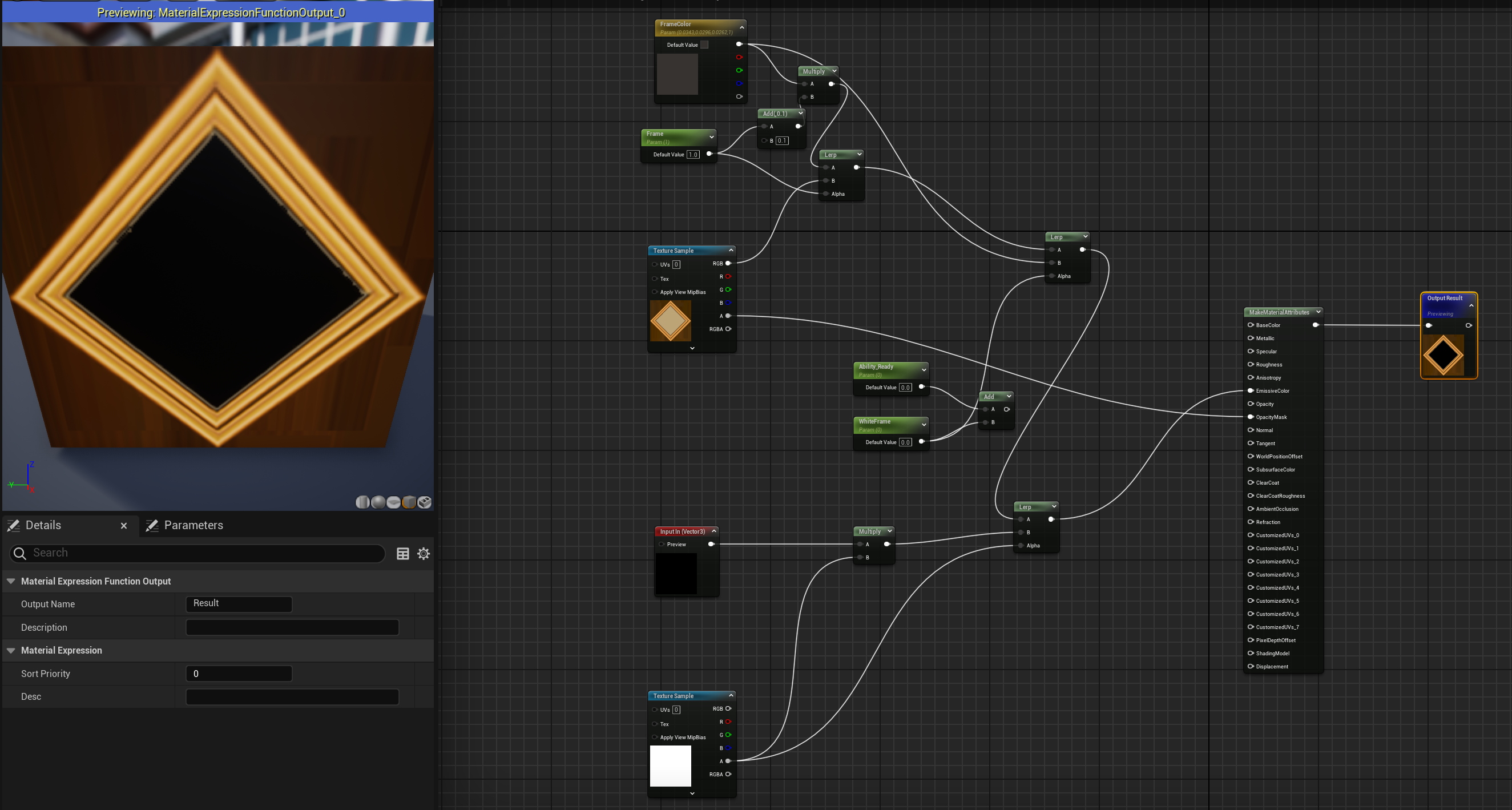
Developed material frames to visually represent unit stats and abilities.
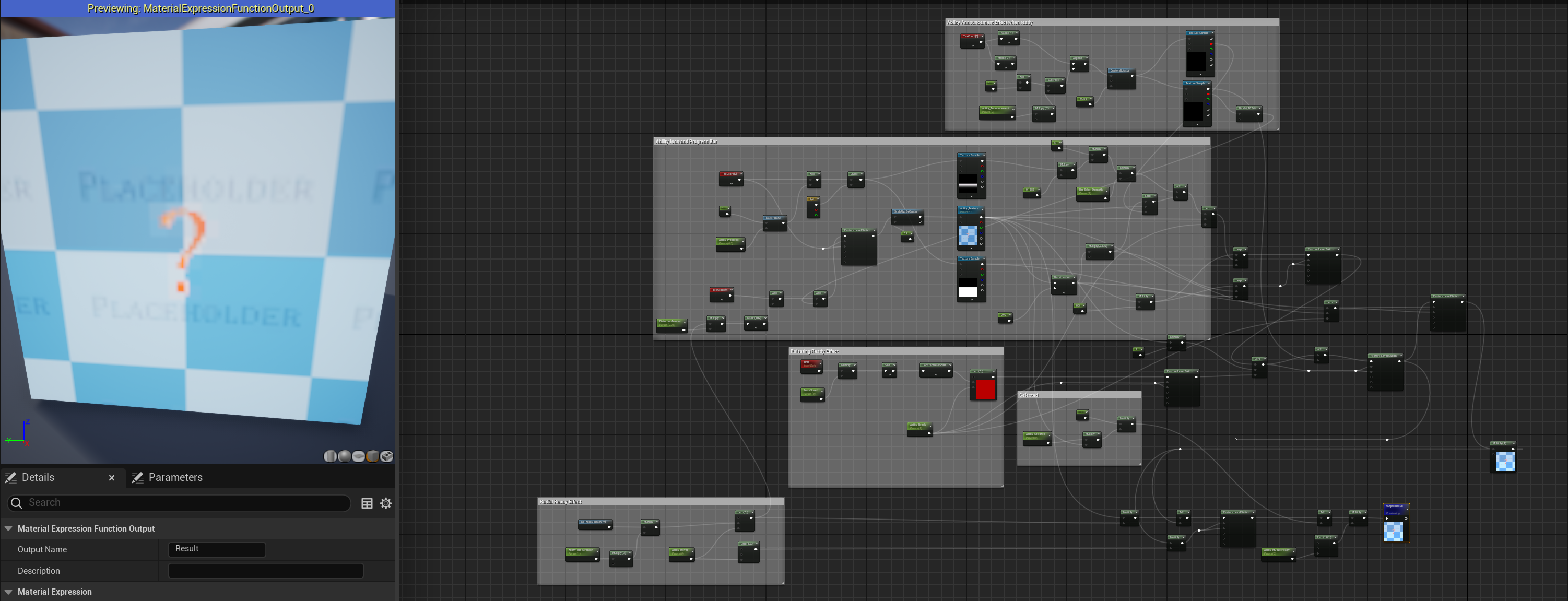
Created material functions to manage complex visual logic for unit abilities.
Conclusion
Working on Successor was an incredible experience, and I'm proud of the contributions I made to the game. I believe that my efforts played a significant role in shaping the game into what it is today, and I'm grateful to have had the opportunity to work on such an exciting project. If you're interested in learning more about my experiences or would like to discuss the game in more detail, please don't hesitate to reach out.